Physical Address
304 North Cardinal St.
Dorchester Center, MA 02124
Physical Address
304 North Cardinal St.
Dorchester Center, MA 02124

Viêm gan B là một căn bệnh nguy hiểm và khá phổ biến hiện nay, ảnh hưởng đến sức khỏe của hàng triệu người trên toàn thế giới. Trong quá trình tìm hiểu về bệnh lý này, nhiều người thường thắc mắc viêm gan B tiếng Anh là gì và cách dùng thuật ngữ này trong các tài liệu quốc tế. Bài viết dưới đây sẽ giúp bạn giải đáp các câu hỏi liên quan đến tên gọi, định nghĩa và ý nghĩa của viêm gan B bằng tiếng Anh, đồng thời cung cấp các thuật ngữ chuyên ngành thường được sử dụng để bạn có thể tham khảo và sử dụng chính xác hơn trong học tập cũng như công việc.
Hepatitis B, or viêm gan B in Vietnamese, is a serious liver infection caused by the hepatitis B virus (HBV). This infection can lead to both acute and chronic forms, affecting individuals in various ways. The virus is classified as a DNA virus and belongs to the Orthohepadnavirus genus. Most people experience a short-term illness, but some may develop long-lasting chronic hepatitis.
The infection poses significant health risks, including inflammation, scarring of the liver (cirrhosis), and even liver cancer. After a medical diagnosis through blood tests, if a person clears the virus and develops protective antibodies (HBsAb+), they gain immunity against future infections. Understanding hepatitis B is crucial, as it is a global health issue reported by the World Health Organization.
In essence, viêm gan B (hepatitis B) is not just a medical term; it represents a significant challenge to public health. Awareness and prevention, such as vaccination, play a vital role in combating this viral infection.

Virus viêm gan B, hay trong tiếng Anh là Hepatitis B virus (viết tắt là HBV), là một loại virus DNA thuộc họ Hepadnaviridae. Bệnh viêm gan B, hay Hepatitis B, là một bệnh lý nhiễm trùng gan do virus này gây ra. Đây là một vấn đề sức khỏe toàn cầu nghiêm trọng, ảnh hưởng lớn đến chức năng của gan và có thể dẫn đến nhiều biến chứng nguy hiểm.
Đặc biệt, trẻ nhỏ là đối tượng dễ bị nhiễm bệnh. Theo nghiên cứu, lên đến 50% trẻ em từ 1 đến 5 tuổi nếu nhiễm HBV có nguy cơ phát triển viêm gan B mãn tính. Hơn nữa, đối với trẻ sơ sinh, con số này còn cao hơn, tới 90% có khả năng bị nhiễm mạn tính. Viêm gan B có thể xuất hiện dưới hai dạng: cấp tính, kéo dài dưới sáu tháng, và mãn tính, kéo dài hơn và nguy hiểm hơn.
Để ngăn ngừa nhiễm virus viêm gan B, việc tiêm vaccine là rất quan trọng. Vaccine rất hiệu quả trong việc bảo vệ trẻ em và người lớn khỏi căn bệnh này, giúp giảm thiểu các biến chứng nghiêm trọng có thể xảy ra trong tương lai.
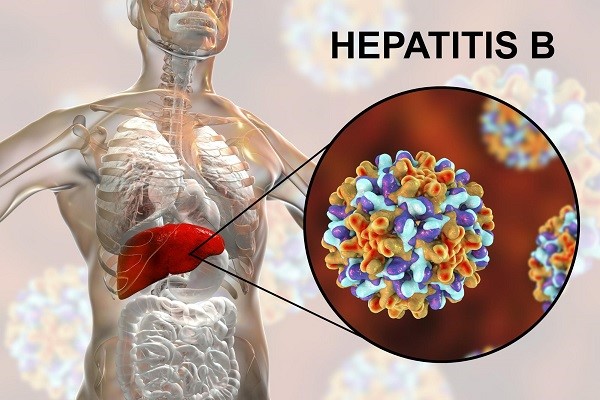
Viêm gan B, hay còn gọi là viêm gan siêu vi B, là một bệnh lý rất phổ biến trên toàn cầu do virus viêm gan B (HBV) gây ra. Bệnh này chủ yếu lây lan qua đường máu, quan hệ tình dục không an toàn và từ mẹ sang con trong quá trình sinh nở. Viêm gan B có thể là một bệnh cấp tính, nhưng cũng có thể phát triển thành mạn tính nếu không được điều trị kịp thời.
Những triệu chứng của viêm gan B khá đa dạng như đau bụng, nước tiểu sẫm màu, giảm cảm giác thèm ăn, sốt và vàng da. Nếu không được chữa trị chính xác, viêm gan B có thể dẫn đến những biến chứng nghiêm trọng như xơ gan và ung thư gan, gây ảnh hưởng nặng nề đến sức khỏe và cuộc sống của người bệnh.
Tin vui là chúng ta có thể bảo vệ bản thân khỏi viêm gan B bằng cách tiêm vắc-xin. Vắc-xin này không chỉ an toàn mà còn hiệu quả, giúp giảm thiểu nguy cơ nhiễm bệnh. Chính vì thế, việc trang bị kiến thức và tiêm phòng đúng cách là điều rất quan trọng để bảo vệ sức khỏe cho bản thân và cộng đồng.

Viêm gan B là một bệnh nhiễm trùng gan nghiêm trọng do virus viêm gan B (HBV) gây ra. Bệnh này thường tấn công các tế bào gan và có thể dẫn đến các triệu chứng cấp tính trong thời gian ngắn hoặc tình trạng mãn tính kéo dài. Nếu không sớm được phát hiện và điều trị, viêm gan B có thể gây ra xơ gan và thậm chí là ung thư gan.
Virus HBV lây lan chủ yếu qua tiếp xúc với máu, tinh dịch hoặc các dịch cơ thể khác từ người bị nhiễm. Điều này có thể xảy ra trong nhiều tình huống, từ việc dùng chung kim tiêm cho đến lây truyền từ mẹ sang con trong quá trình sinh nở. Việc tiêm vaccine phòng ngừa viêm gan B là một giải pháp hiệu quả để giảm thiểu nguy cơ nhiễm病.
ngoài ra, viêm gan B cũng rất phổ biến trên toàn cầu, và việc xét nghiệm kịp thời là rất quan trọng để phát hiện và điều trị bệnh. Nếu bạn có bất kỳ triệu chứng nào như mệt mỏi, vàng da hay đau bụng, hãy đi khám ngay để được tư vấn và hỗ trợ đúng cách.
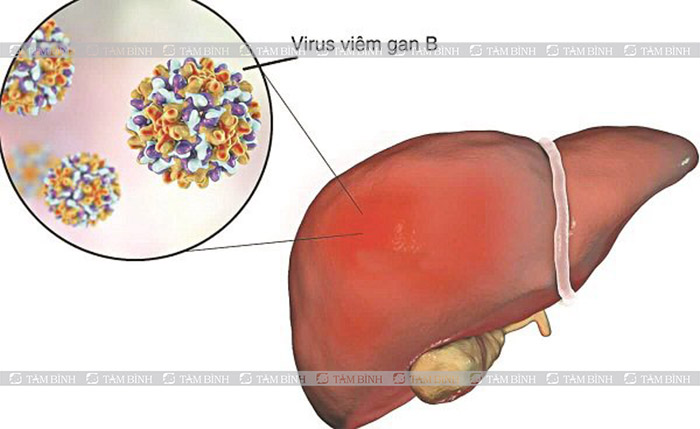
Hepatitis B, known as viêm gan B in Vietnamese, is a significant liver infection caused by the hepatitis B virus (HBV). This virus belongs to the Orthohepadnavirus genus and can lead to both acute and chronic infections. Acute hepatitis B lasts less than six months after exposure to the virus, while chronic hepatitis B persists beyond this period, potentially leading to severe liver complications like cirrhosis.
The virus is primarily transmitted through contact with infected bodily fluids, such as blood or during childbirth. In fact, it can be transmitted from mother to child during delivery, making it essential for pregnant women to be tested for HBV. Early detection and vaccination are vital, as they can help prevent the spread of the virus and protect the liver.
Understanding the different forms of the disease—as acute or chronic—can greatly affect treatment options. While acute hepatitis B may resolve on its own as the immune system clears the virus, chronic hepatitis B often requires ongoing medical management to reduce the risk of liver damage.
In addition to the medical aspects, awareness and education about hepatitis B can help demystify the infection and support those affected.
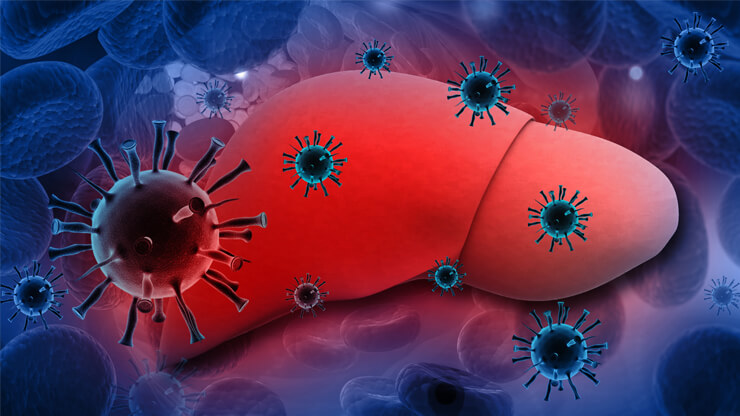
Hepatitis B is a significant liver infection caused by the hepatitis B virus (HBV), which can adversely impact an individual’s health. This virus is typically transmitted through body fluids like blood, semen, and vaginal secretions. When someone is infected, they may experience either acute hepatitis B, which can resolve on its own within weeks, or chronic hepatitis B, lasting for life if the virus persists beyond six months.
The Hepatitis B Foundation, a national nonprofit organization, is dedicated to finding effective treatments and improving the quality of life for those affected by this infection. They provide vital resources and support for individuals living with hepatitis B. Understanding the complexities of this disease is essential for managing it effectively.
Preventative measures, such as vaccination, are crucial in the fight against hepatitis B. Individuals can protect themselves and their loved ones through vaccination and awareness. It’s important to recognize the seriousness of hepatitis B, which, like other forms of hepatitis, can lead to serious liver complications if left untreated. Regular check-ups and early intervention are vital for those at risk.

Hepatitis B is a serious liver infection caused by the hepatitis B virus (HBV). This DNA virus belongs to the Orthohepadnavirus genus and the Hepadnaviridae family. Hepatitis B can lead to both acute and chronic conditions, significantly affecting liver function. For many, it can be a short-term illness, but in some cases, it evolves into a long-term health concern.
When a person is infected with HBV, the virus attacks the liver tissue, causing inflammation. Common symptoms may include fatigue, jaundice, and abdominal pain. Fortunately, if detected early and treated properly, many individuals can recover fully. Blood tests can determine if a person has cleared the virus and developed protective antibodies (HBsAb+), which can provide future immunity.
As for related terms, “cirrhosis” refers to advanced liver scarring that can result from chronic hepatitis B. It’s crucial to stay informed about the disease and get vaccinated to prevent infection. Understanding hepatitis B not only empowers individuals but also supports public health initiatives aimed at reducing its spread.

Hepatitis B, known as “viêm gan B” in Vietnamese, is a significant infectious disease caused by the hepatitis B virus (HBV). This virus affects the liver, leading to inflammation and potentially serious health issues. It can manifest as either an acute infection, which is usually short-term, or a chronic infection, lasting for years.
For many individuals diagnosed with chronic hepatitis B, life expectancy can remain normal if managed properly. The virus can be transmitted through various means, including blood, sexual contact, and from mother to child during childbirth. Symptoms of hepatitis B can vary, ranging from fatigue, fever, joint pain to more severe manifestations like jaundice.
Despite the serious nature of the infection, many individuals lead healthy lives with appropriate medical care and monitoring. Vaccination and awareness play crucial roles in preventing the spread of hepatitis B. Understanding this disease and its implications is essential for promoting better health outcomes and safety in communities worldwide.
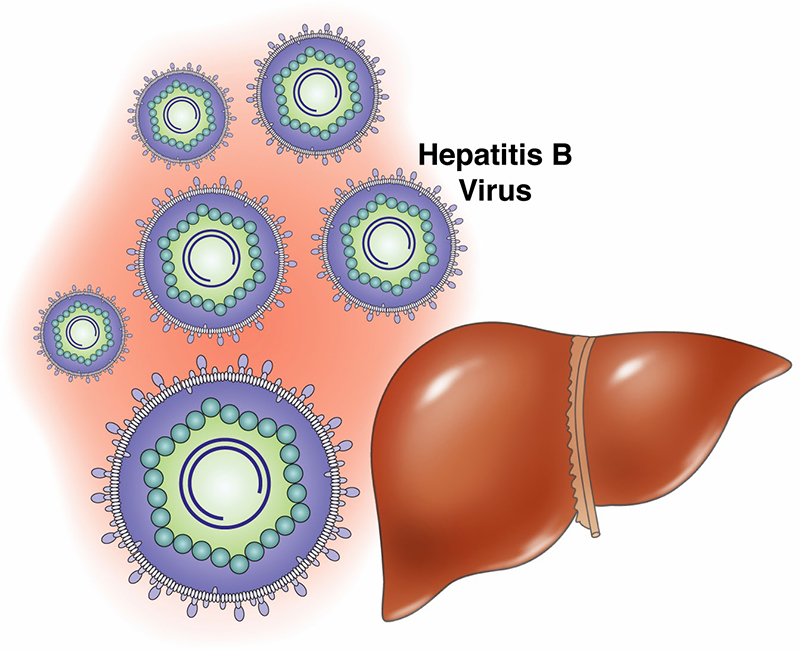
Tổng kết lại, Viêm Gan B, hay Hepatitis B trong tiếng Anh, là một bệnh lý viêm gan do virus HBV gây ra. Bệnh có thể dẫn đến nhiều biến chứng nghiêm trọng nếu không được phát hiện và điều trị kịp thời. Việc hiểu rõ về Viêm Gan B không chỉ giúp nâng cao nhận thức mà còn là bước quan trọng trong việc phòng ngừa và điều trị căn bệnh này. Chúng ta cần tích cực truyền thông, giáo dục cộng đồng và khuyến khích mọi người tham gia các chương trình tiêm phòng để bảo vệ sức khỏe cho bản thân và xã hội.